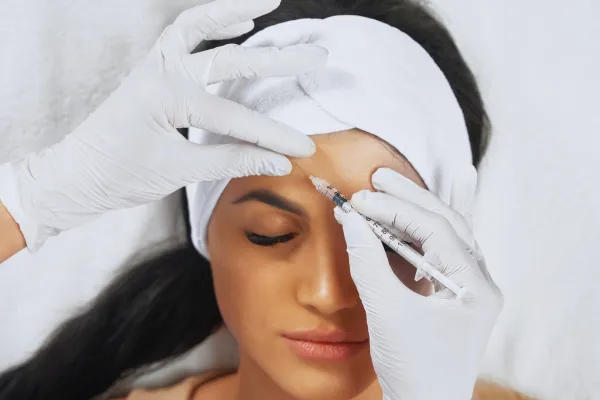
Why Did My Botox Wear Off So Fast? 5 Reasons It Might Not Be Lasting
Two months ago, the mirror looked exactly the way it was supposed to — smooth, refreshed, that quietly polished look Botox delivers when it's done well. Now the lines are back. The forehead is moving again. And the question in the back of the head won't quiet down: wasn't this supposed to last longer?
The short answer is yes, it was. Botox typically lasts three to four months for most patients. When it's wearing off closer to six or eight weeks, something in the equation is off — and the good news is, once the reason gets identified, the fix is usually straightforward.
Here are the five most common reasons Botox doesn't last as long as it should — and what to do about each one.
1. Intense, Frequent Cardio
Running marathons. Daily spin classes. Long endurance sessions where the heart rate stays high for over an hour. Cardio is great for the body — and it directly speeds up how fast Botox breaks down.
Here's why: a higher metabolic rate means the body processes everything faster, including neurotoxins. Endurance athletes and people who do intense cardio five or more days a week consistently see shorter Botox duration than people who don't.
What to do: Don't stop the workouts — the fitness benefits are worth it. Instead, plan around a shorter maintenance schedule. Some clients who train hard book Botox every 10 weeks instead of 12-14, or adjust unit counts slightly with their provider to compensate.
2. Naturally Strong or Overactive Muscles
Some people just have stronger facial muscles than others. Frequent expressive movement, teeth grinding, TMJ tension, or a naturally muscular face can all mean Botox metabolizes faster.
This is especially common in the frown lines and jaw area. Patients who clench, grind, or make a lot of expressive movement often need slightly higher unit counts — or more frequent maintenance — to get the same duration as someone with less active muscles.
This isn't a flaw. It's biology. But it does mean the standard dosing that works for most patients might not work as well for a specific body.
What to do: If Botox has always worn off faster, mention it clearly at the next consultation. A skilled injector can adjust the plan — sometimes with a slightly higher unit count, sometimes with a different injection pattern, sometimes with a shorter maintenance interval.
3. High Stress and Poor Sleep
Chronic stress affects nearly every system in the body — including how quickly neurotoxins are metabolized. When cortisol stays elevated and sleep is consistently short, the body's baseline function shifts in ways that can affect how long Botox holds.
There's also a behavioral component: stress makes people frown more, clench more, and hold tension in the exact facial muscles Botox is trying to relax. Even with the same units, more expressive movement means faster wear-off.
What to do: This is a wellness question, not a Botox question — but IV therapy for stress and energy support, prioritizing sleep, and even considering magnesium for muscle tension can all help. Not because they extend Botox directly, but because they address the underlying reason the body is burning through it faster.
4. Lifestyle Factors That Speed Metabolism
A few real-world habits affect how fast Botox metabolizes:
Intense, frequent cardio. High metabolic rate genuinely speeds up how quickly Botox breaks down in the body. Endurance athletes and people who do daily intense cardio often see shorter durations.
Heat exposure. Regular saunas, hot yoga, and even prolonged sun exposure can accelerate breakdown.
Stress and cortisol. Chronically high stress affects everything, including how quickly the body processes neurotoxins.
Zinc deficiency. Some research suggests low zinc levels correlate with shorter Botox duration, though evidence is still developing.
None of these mean Botox won't work — they just mean the maintenance schedule might need to be shorter, or the dosing slightly adjusted.
What to do: If Botox is running the equation with intense workouts, frequent sauna use, or high-stress living, the provider needs to know. Adjustments can be made — but only if the whole picture is on the table.
5. Skipping Maintenance and Letting It Fully Wear Off
This one is counterintuitive: letting Botox fully wear off between appointments actually shortens how well future rounds last.
Botox works partly by allowing the treated muscles to gradually weaken from lack of use — like a muscle that isn't worked at the gym. When treatments are consistent, muscles stay relaxed and take longer to fully "wake up" between rounds. When Botox is skipped for six months or more, those muscles fully re-engage, get stronger, and require more product (and potentially more frequent treatment) to get back to baseline.
The most common version of this: getting Botox once for a wedding or event, then not returning for a year, then wondering why the second round didn't last as long.
What to do: For consistent results, treat Botox like any maintenance investment — every 3-4 months, on schedule. Consistency compounds. Skipping doesn't save money in the long run; it costs more in units and shorter duration.
What Actually Fixes This
If Botox is consistently wearing off in six to eight weeks instead of three to four months, it's time for an honest conversation — not a resigned "guess it just doesn't work for me."
A real injector will:
Ask how it's been wearing off and when the movement started returning
Review the dosing and injection pattern used previously
Consider whether to increase units, switch products, or adjust technique
Give a clear, specific plan for what will be different this time
If a provider dismisses concerns, blames the client, or offers no changes to the plan, that's the signal to look elsewhere. Botox absolutely should last three to four months. When it doesn't, there's a reason — and finding it is the injector's job, not the patient's.
FAQs
How long is Botox actually supposed to last?
Three to four months for most patients. Some see slightly longer with maintenance treatments; others need adjustments to reach the full duration.
Can Botox stop working entirely?
In rare cases, yes — usually due to antibody development after long-term use. Switching to a different neurotoxin like Dysport or Xeomin usually resolves it.
Does the first-ever Botox appointment last shorter than later ones?
Yes, sometimes. First-time patients occasionally see slightly shorter duration because the muscle hasn't yet been "trained" by repeated treatment. Later sessions often last longer.
Should I get more Botox if mine wore off fast?
Not without a real consultation to figure out why it wore off. Adding more units without understanding the underlying reason usually doesn't fix the issue.
Ready for Botox That Actually Lasts?
If Botox has been wearing off faster than it should, an honest consultation is the first step. At NuVée Aesthetics in Durham, every injectable plan starts with a real conversation — about the previous experience, the goals, and what needs to be different this time.
Book your consultation here. We'll look at how your Botox has been holding up, walk through your habits and history, and build a plan that gets you the smooth, lasting results you're looking for.
Disclaimer
This content is for informational purposes only and does not constitute medical advice. A consultation with a licensed medical provider is required to determine candidacy, discuss risks, and develop an appropriate treatment plan. Individual results may vary.
