How to Fix Loose Skin and Volume Loss After GLP-1 Weight Loss (Non-Surgical Options)
How to Fix Loose Skin and Volume Loss After GLP-1 Weight Loss (Non-Surgical Options)
You did everything right. The medication worked, the scale moved, your clothes fit. So why does it feel like the transformation stopped one step short? For most GLP-1 patients, that last step isn't more weight loss — it's restoring what rapid weight loss took from your skin.
If you've lost a significant amount of weight with a GLP-1 medication, you can address loose skin and facial volume loss without surgery. The two most effective non-surgical approaches are dermal fillers, which restore lost volume in the face, and radiofrequency-based skin tightening treatments like T-Shape, which firm loose skin on the body by stimulating new collagen production. Most patients see the best results by combining both, timed after their weight has stabilized.
Why Does GLP-1 Weight Loss Cause Loose Skin?
GLP-1 medications like semaglutide and tirzepatide work fast — faster than your skin can keep up with.
Rapid weight loss shrinks the fat under your skin, but the skin itself doesn't snap back. It also shrinks the fat pads in your face that kept your cheeks and under-eyes full. The result: hollow cheeks, a softer jawline, crepey skin on your arms and stomach. You hit your goal weight, and somehow look a bit older.
Your skin didn't fail you. It just needs help catching up.
Loose Skin and Volume Loss Are Two Different Problems
They need two different tools:
Volume loss: hollow cheeks, sunken temples, under-eye hollows — is fixed by replacing what's gone. That's dermal filler.
Skin laxity: loose skin on your stomach, arms, thighs, and jawline — is fixed by rebuilding your skin's own collagen. That's T-Shape.
How Dermal Fillers Restore Facial Volume
Fillers are hyaluronic acid gels — a substance your body already makes — placed where facial fat has thinned. After weight loss, that's usually the cheeks, temples, under-eyes, and jawline.
The goal isn't a new face. A skilled injector restores the structure you had at this weight's best version of you — refreshed, not "done." Results show immediately and last 12 to 18 months.
If movement lines bother you too, Botox pairs naturally with filler: filler restores volume, tox softens the lines. Together they're often what makes results look effortless.
How T-Shape Tightens Loose Skin
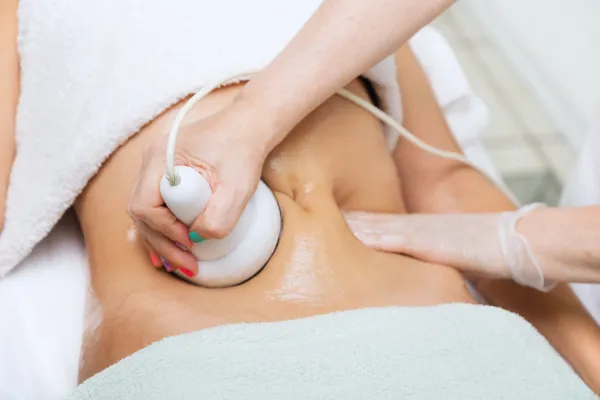
T-Shape combines three technologies in one session:
Radiofrequency heats the deeper layers of skin, triggering new collagen and elastin — the proteins that make skin firm.
Low-level laser refines stubborn fat pockets that lingered through weight loss.
Vacuum massage boosts circulation and smooths texture.
It's used most on the abdomen, arms, thighs, and jawline. Sessions run 30 to 60 minutes, feel like a warm deep-tissue massage, and have zero downtime — you can go straight back to work or the gym. Results are immediate and continue to build over 4 to 6 weeks as new collagen forms, typically over a series of sessions.
When to Start
Once your weight has been stable for a few months. Treat too early and you're chasing a moving target.
Don't wait to plan. Many patients consult mid-journey, start skin tightening near their goal weight, and add filler once things settle. If you're doing medical weight loss with us, we build this timeline into your program from day one.
FAQs
Will loose skin tighten on its own?
Partially, sometimes — especially with smaller losses or younger skin. After 30+ pounds of rapid loss, skin rarely retracts fully without help.
How many T-Shape sessions will I need?
Most patients need 6-10, depending on the area. You'll get a specific plan at your consultation.
Is there downtime?
None for T-Shape. Filler may bruise or swell slightly for a few days.
What if my skin is very loose?
For most GLP-1 patients, non-surgical treatment delivers real, visible change.
Disclaimer
This content is for informational purposes only and does not constitute medical advice. A consultation with a licensed medical provider is required to determine candidacy, discuss risks, and develop an appropriate treatment plan. Individual results may vary.
